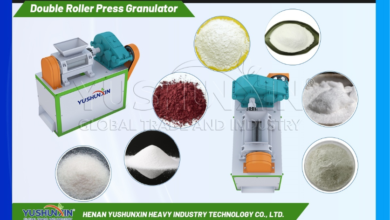
Shisha Charcoal Production Line and Charcoal Making Machine from Sawdust: Advanced Charcoal Manufacturing Solutions

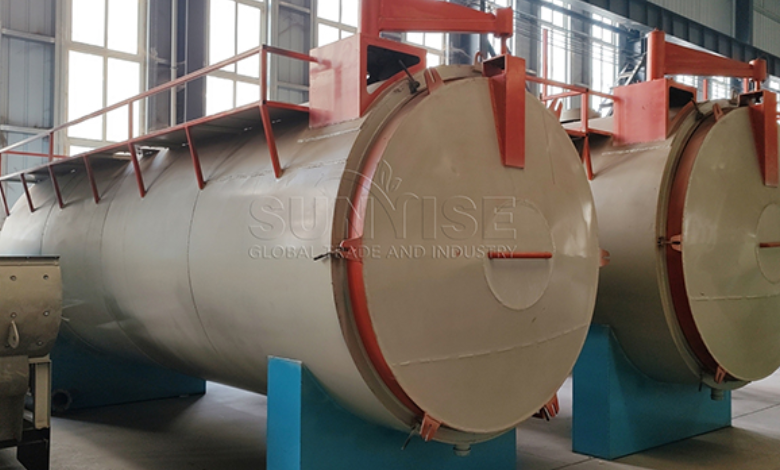
Charcoal remains a vital commodity globally, widely used for cooking, heating, and shisha (hookah) smoking. Traditional charcoal production methods are often slow, inefficient, and environmentally unfriendly. Modern technologies, including a shisha charcoal production line and a charcoal making machine from sawdust, have transformed the industry, enabling high-quality, consistent, and eco-friendly production.
This article explores the features, advantages, and applications of these technologies, demonstrating why they are essential for modern charcoal manufacturers.
Shisha Charcoal Production Line: Premium Hookah Charcoal
What Is a Shisha Charcoal Production Line?
A shisha charcoal production line is an industrial system designed to manufacture high-quality charcoal briquettes specifically for hookah use. Shisha charcoal requires uniform size, long burn time, minimal smoke, and consistent heat output.
Key Features
- High-Quality Charcoal Output
Produces uniform briquettes with excellent density and durability, perfect for hookah lounges and retail markets. - Multiple Raw Material Options
Can process coconut shells, palm shells, sawdust, and other biomass materials. - Advanced Briquetting Technology
Converts raw biomass into round, square, or customized briquettes that resist breaking during transport or use. - Eco-Friendly Carbonization
Modern carbonization systems recycle gases and reduce emissions, minimizing environmental impact. - Continuous or Semi-Continuous Operation
Allows stable production for small, medium, or large-scale operations, maximizing efficiency and output.
By investing in a shisha charcoal production line, manufacturers can meet growing demand for premium hookah charcoal while ensuring operational efficiency and sustainability.
Charcoal Making Machine from Sawdust: Efficient Biomass Utilization
Why Use Sawdust?
Sawdust is an abundant byproduct of woodworking and lumber processing. Using it for charcoal production reduces waste, provides a low-cost raw material, and supports sustainable manufacturing practices.
How Sawdust Charcoal Machines Work
- Raw Material Preparation
Sawdust is collected, dried, and screened to remove impurities. - Briquetting or Pelletizing
Dried sawdust is compressed into uniform briquettes or pellets using a charcoal making machine. - Carbonization
The compressed sawdust is heated in a furnace to remove moisture and volatile compounds, transforming it into charcoal. - Cooling and Packaging
Finished charcoal is cooled, screened for size consistency, and packaged for retail or industrial use.
Benefits of Sawdust Charcoal Machines
- Efficient Waste Utilization: Converts a byproduct into high-value charcoal.
- Consistent Quality: Produces uniform briquettes with predictable burn characteristics.
- Environmental Sustainability: Reduces reliance on wood logs, protecting forests and minimizing deforestation.
- Scalable Production: Machines are available for small, medium, or large-scale operations.
- Cost-Effective: Low raw material costs and high efficiency reduce overall production expenses.
Using a charcoal making machine from sawdust allows manufacturers to optimize resources, produce high-quality charcoal, and operate sustainably.
See also: How Businesses Can Refresh Their Look on a Budget
Combined Advantages of Shisha Charcoal Production Lines and Sawdust Machines
- High-Quality Product
Both systems produce dense, long-burning charcoal with uniform size and minimal smoke. - Operational Efficiency
Automation and continuous production reduce labor and increase output. - Sustainability
Using biomass and sawdust reduces environmental impact and supports eco-friendly production. - Cost Savings
Efficient machines reduce energy consumption and raw material costs. - Market Versatility
Charcoal can be used for shisha, household fuel, industrial energy, or exported.
Applications
- Shisha Lounges: High-quality briquettes for consistent, smoke-free hookah sessions.
- Household Fuel: Dense, long-burning charcoal for cooking or heating.
- Industrial Use: Energy source for metalworking or small-scale industries.
- Sawdust Waste Utilization: Converts byproducts into valuable products, reducing waste.
- Export Markets: Premium briquettes suitable for international distribution.
Modern charcoal production systems allow manufacturers to serve multiple markets efficiently while maintaining high-quality standards.
Choosing the Right Equipment
When selecting a shisha charcoal production line or a charcoal making machine from sawdust, consider the following:
- Production Capacity: Equipment should meet both current and projected production needs.
- Raw Material Availability: Ensure a reliable supply of sawdust or biomass.
- Automation and Operation: Higher automation reduces labor and increases efficiency.
- Quality Control: Machines should maintain consistent briquette size, density, and burn time.
- Supplier Support: Installation, maintenance, training, and spare parts are essential for smooth operation.
Proper selection ensures reliable, efficient, and profitable charcoal manufacturing.
Conclusion
A shisha charcoal production line and a charcoal making machine from sawdust provide modern, efficient, and environmentally friendly solutions for charcoal production. Continuous operation and advanced briquetting technology ensure high-quality, consistent charcoal suitable for shisha, household, or industrial use.
By investing in these systems, manufacturers can optimize production, reduce waste, operate sustainably, and meet growing market demand. Modern charcoal equipment is a key investment for long-term profitability and competitiveness in the global charcoal industry.