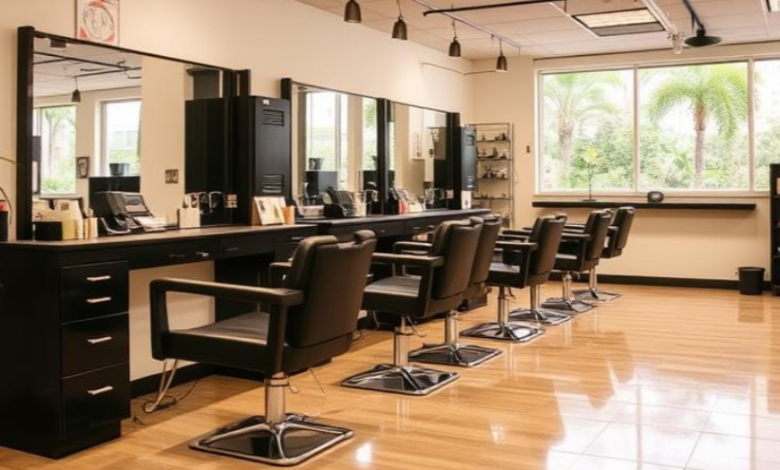
The beauty and wellness industry is evolving faster than ever, fueled by rising client expectations, technology-driven treatments, and increased competition. While most discussions revolve around new skincare trends or haircare techniques, one crucial aspect often gets overlooked: the infrastructure that supports these services. At the heart of this infrastructure lies b2b salon equipment, an essential component for any business looking to scale operations, maintain service quality, and boost profitability.
Whether you’re opening a new salon, upgrading existing facilities, or expanding into a franchise model, sourcing professional-grade equipment from reliable business-to-business (B2B) suppliers can be the key to sustainable success. In this article, we explore the significance of b2b salon equipment, what makes it different from retail options, how to choose the right supplier, and what trends are shaping the future of salon interiors.
What Is B2B Salon Equipment?
Simply put B2B salon equipment refers to tools, furniture, and devices that are sold by manufacturers or wholesalers directly to salons, spas, wellness centers, and distributors—not to individual consumers. This category includes everything from styling chairs, shampoo units, and manicure tables to facial machines, steamers, and lighting solutions.
Unlike retail beauty products or home-use gadgets, B2B equipment is built for high performance, heavy use, and compliance with industry safety and sanitation standards. It caters to the specific needs of salon professionals, ensuring functionality, durability, and ergonomic design.
Benefits of Choosing B2B Over Retail
1. Superior Quality and Durability
Salon-grade equipment sourced through B2B channels is designed for frequent and prolonged use. The materials used—such as reinforced steel frames, high-density foam, and stain-resistant upholstery—are far more robust than those found in consumer products.
2. Customization and Branding
Many b2b salon equipment suppliers offer custom options like embroidered logos, specific color palettes, or bespoke designs to match the salon’s aesthetic. This level of personalization is rarely available through retail avenues.
3. Bulk Pricing and Volume Discounts
Purchasing directly from a B2B supplier typically allows you to buy in bulk at discounted rates. This can be especially useful when outfitting multiple branches or building a cohesive salon brand.
4. Professional Installation and Support
Unlike off-the-shelf products, B2B suppliers often include services like installation, setup guidance, staff training, and ongoing technical support—ensuring that your equipment is functional from day one.
5. Compliance with Industry Standards
Reputable B2B suppliers provide equipment that adheres to sanitation, electrical, and safety standards, which is vital for passing health inspections and maintaining client trust.
Key Categories of B2B Salon Equipment
A. Hair Care Equipment
- Hydraulic or electric styling chairs
- Shampoo units with adjustable basins
- Hair steamers, dryers, and color processors
- Trolley carts and tool organizers
B. Skin & Facial Equipment
- Multi-functional facial beds
- Magnifying lamps and LED therapy lights
- High-frequency and microdermabrasion machines
- Facial steamers and hot towel cabinets
C. Nail Care Equipment
- Manicure tables with ventilation
- Pedicure spa chairs with massage features
- UV/LED nail lamps
- Ergonomic stools for nail technicians
D. Reception & Waiting Area Furniture
- Customized reception desks
- Modular seating arrangements
- Retail display shelving
- Integrated check-in or kiosk systems
All these pieces come together to create a seamless, efficient, and inviting environment that enhances both staff productivity and client satisfaction.
How to Choose the Right B2B Salon Equipment Supplier
Finding the right b2b salon equipment supplier is just as important as selecting the right products. Here’s what to consider:
1. Industry Experience and Reputation
Look for suppliers with a proven track record in the salon and spa sector. Check for testimonials, case studies, or reviews from other business clients. A long-standing presence often indicates reliability and product excellence.
2. Range of Products
A good B2B supplier offers a comprehensive catalog that covers all aspects of salon setup—from furniture and tools to accessories and consumables. The wider the product range, the more streamlined your purchasing process will be.
3. Customization Capabilities
Can the supplier offer personalized solutions? From color choices to logo branding, customization can help you build a cohesive brand experience.
4. Certifications and Compliance
Ensure that the equipment meets local and international safety and sanitation standards. This is especially critical for electrical devices and equipment used in skin or nail treatments.
5. Warranty and After-Sales Service
A trustworthy supplier will stand behind their products. Look for warranties, return policies, and customer service availability for troubleshooting or repairs.
Digitalization of B2B Purchasing
The B2B space is rapidly evolving thanks to digital technology. Many salon owners now research, compare, and purchase b2b salon equipment online through dedicated portals, B2B marketplaces, or manufacturer websites.
These platforms offer:
- Real-time pricing and availability
- Live chat or video consultation with experts
- Virtual salon planning tools
- Transparent product specifications and demo videos
Online ordering also simplifies logistics, from payment to tracking and post-sale service, making the procurement process smoother than ever before.
Trends Shaping the B2B Salon Equipment Market
1. Eco-Friendly Materials
There’s increasing demand for sustainable equipment made from recyclable materials, low-VOC coatings, and energy-efficient electrical components.
2. Smart Furniture
Some modern salon chairs and beds come with built-in USB ports, digital controls, or even IoT integration for smart energy usage and appointment scheduling.
3. Modular and Space-Saving Designs
Especially in urban settings, compact and multifunctional furniture that can adapt to small spaces is becoming popular among salon owners.
4. Sanitization and Contactless Technology
Post-pandemic concerns have led to innovations in hygiene-focused furniture, including antimicrobial upholstery and touchless controls for water or lighting.
Final Thoughts: Investing Wisely for Long-Term Growth
The quality of your salon’s equipment impacts everything—from your team’s efficiency to your client’s experience and even your brand’s reputation. That’s why choosing the right b2b salon equipment partner is more than a one-time purchase; it’s a long-term business strategy.
With the right tools and supplier relationship in place, salon owners can confidently expand, innovate, and deliver services that match modern expectations. Whether you’re a startup salon or a well-established chain, professional B2B solutions offer the reliability, customization, and scalability that retail products simply cannot match.
The bottom line? Elevate your salon by partnering with a trusted B2B provider—and watch your business thrive.