Heart Rate Variability: The Ultimate Science-Backed Guide to Understanding Your Body in 7 Powerful Ways

What Is Heart Rate Variability?
Heart rate variability refers to the small but meaningful changes in time between each heartbeat. While your heart may beat around 60 times per minute, the interval between beats is not perfectly consistent—and that variability is actually a sign of health.
Rather than indicating a problem, these tiny fluctuations show how well your body adapts to physical, emotional, and environmental stress. A higher level of heart rate variability generally means your body can respond efficiently to challenges and recover quickly.
In simple terms, heart rate variability reflects how flexible and resilient your nervous system is.
The Science Behind Heart Rate Variability
How the Autonomic Nervous System Controls HRV
Heart rate variability is controlled by the autonomic nervous system (ANS), which has two branches:
- Sympathetic nervous system – activates the “fight or flight” response
- Parasympathetic nervous system – activates the “rest and digest” response
A healthy balance between these two systems leads to higher heart rate variability. When stress dominates, HRV tends to decrease.
According to research published by the National Institutes of Health, HRV is a reliable indicator of nervous system function and overall well-being.
See also: Why Every Homeowner Should Work with a Fencing Contractor
Why Heart Rate Variability Matters for Overall Health
HRV and Stress Response
When your body handles stress effectively, heart rate variability remains higher. Chronic stress, however, suppresses HRV and keeps your body in a constant alert state. Over time, this imbalance can lead to fatigue, anxiety, and burnout.
HRV and Cardiovascular Health
Studies show that low HRV is associated with increased risk of cardiovascular disease. High heart rate variability, on the other hand, indicates stronger heart adaptability and better long-term heart health.
How Heart Rate Variability Is Measured
Time-Domain vs Frequency-Domain Metrics
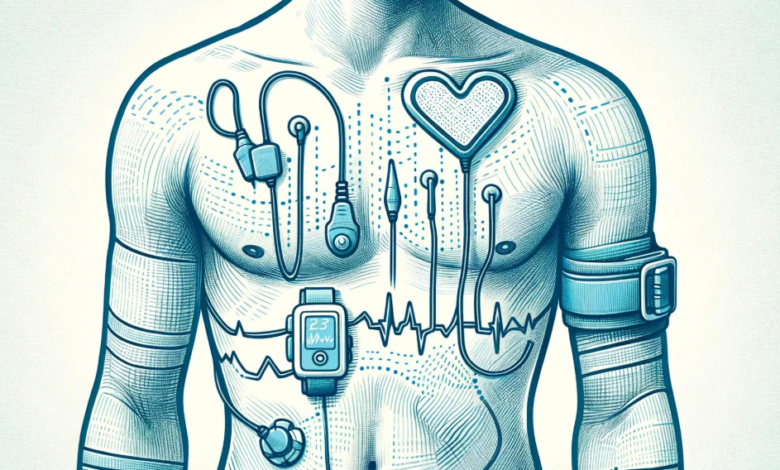
Heart rate variability is measured using ECGs or wearable devices. The most common metrics include:
| Metric | Meaning |
|---|---|
| RMSSD | Short-term recovery and parasympathetic activity |
| SDNN | Overall variability |
| LF/HF Ratio | Sympathetic vs parasympathetic balance |
RMSSD Explained
RMSSD is widely used because it reflects recovery status and daily readiness, especially in athletes.
Normal Heart Rate Variability Ranges
HRV by Age and Gender
There is no single “perfect” HRV number. Normal heart rate variability depends on:
- Age
- Fitness level
- Sleep quality
- Stress exposure
Generally, HRV declines with age, but lifestyle habits can significantly slow this process.
Low vs High Heart Rate Variability
Signs of Low HRV
- Constant fatigue
- Poor sleep quality
- High stress levels
- Frequent illness
Benefits of High HRV
- Better emotional regulation
- Improved recovery
- Enhanced focus and performance
- Lower cardiovascular risk
High heart rate variability means your body is adaptable and resilient.
Factors That Affect Heart Rate Variability
Sleep, Nutrition, and Lifestyle
Poor sleep, dehydration, alcohol consumption, and processed foods can lower HRV. Consistent routines, hydration, and nutrient-dense meals improve it.
Mental Health and Emotional Stress
Anxiety, depression, and emotional overload directly suppress heart rate variability, proving the strong mind-body connection.
How to Improve Heart Rate Variability Naturally
Exercise and Recovery Balance
Moderate aerobic exercise increases HRV, but overtraining can reduce it. Rest days are essential.
Breathing and Mindfulness Techniques
Slow breathing (5–6 breaths per minute), meditation, and yoga activate the parasympathetic nervous system and raise heart rate variability.
Heart Rate Variability and Athletic Performance
Elite athletes use heart rate variability to determine training intensity. Low HRV signals the need for recovery, while high HRV suggests readiness for intense workouts.
Wearable Devices and HRV Tracking
Accuracy of Smartwatches
Popular wearables like WHOOP, Garmin, and Apple Watch estimate heart rate variability using optical sensors. While not as precise as medical ECGs, they provide valuable trends over time.
Learn more about HRV science at https://www.nih.gov.
FAQs About Heart Rate Variability
1. Is higher heart rate variability always better?
Generally yes, but individual trends matter more than absolute numbers.
2. Can heart rate variability predict illness?
Yes. A sudden drop may indicate illness or overtraining.
3. How often should HRV be measured?
Daily measurements provide the most accurate trends.
4. Does caffeine affect HRV?
Yes, excessive caffeine can temporarily reduce HRV.
5. Can meditation really improve HRV?
Absolutely. Consistent practice shows measurable improvements.
6. Is heart rate variability medically recognized?
Yes. HRV is widely used in clinical and research settings.
Conclusion: Why HRV Should Be Part of Your Health Strategy
Heart rate variability is more than a fitness metric—it’s a window into your nervous system, stress levels, and long-term health. By tracking and improving HRV through sleep, movement, and mindfulness, you empower your body to adapt, recover, and thrive.
Making heart rate variability part of your daily health strategy can lead to better performance, reduced stress, and a healthier future.